What clients can share. Giving clients a safe alternative works better than a list of things they can't do. Clients want their furry family members to feel a part of the holiday celebrations. Small portions of plain, cooked, skinless white-meat turkey, raw carrots or green beans, apple slices without seeds, berries, banana, and plain canned pumpkin (not pie filling) let families include the pet without risk. Remind clients that treats should stay within about 10 percent of daily calories, and a pet with a history of pancreatitis or a prescription diet should stay on its regular food.
Decorations: Foreign bodies, burns, poisoning, and airways
Holiday decorations are new, shiny, and often at nose level. They cause four main kinds of injury.
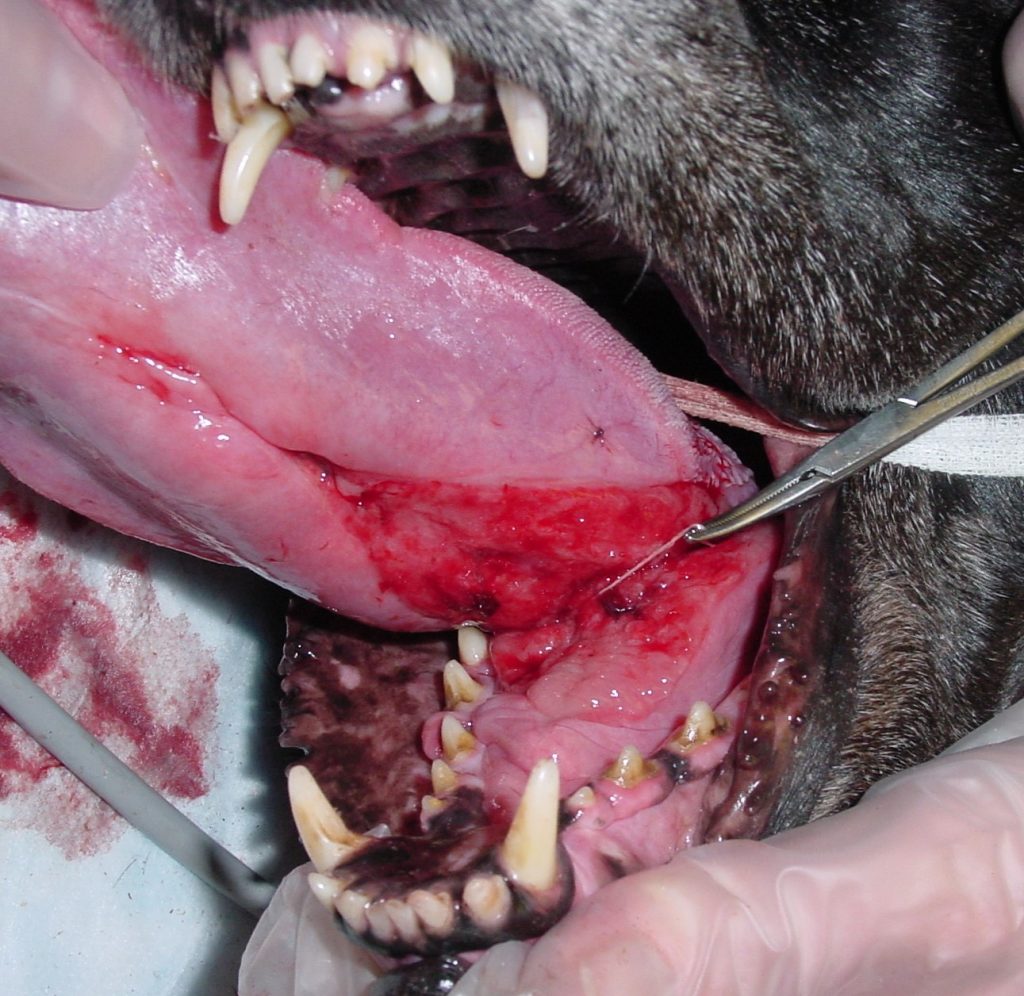
Foreign bodies. Tinsel, ribbon, curling ribbon, and garland are linear foreign bodies waiting to happen, especially in cats. When a cat presents with vomiting, anorexia, or abdominal pain in December, look under the tongue for an anchored string. Clients should never pull string anchored in the mouth, and should stop at any resistance from string at the rectum. Ornaments, ornament hooks, small toys, gift wrap, and decorative stones in centerpieces are other common culprits. Glass ornaments can also cause oral and paw lacerations.
Electrocution and burns. Puppies, kittens, and rabbits may chew light strings and extension cords. Electrical injuries cause oral burns, and in more serious cases noncardiogenic pulmonary edema that can be delayed 12 to 36 hours. Any pet with a suspected cord bite should be examined and the chest monitored, even if it looks well at first. Candles, menorahs, and fireplaces can lead to singed whiskers and burns.
Poisoning. Several decorations are less obviously toxic. Liquid potpourri often contains essential oils and cationic detergents that can cause oral and esophageal ulceration, and cats appear especially sensitive. Homemade salt-dough ornaments can cause hypernatremia, with vomiting, tremors, and seizures. Snow globes can contain ethylene glycol. Button batteries from new toys and remotes can cause alkaline burns, and emesis should not be induced for these. Christmas tree water may contain fertilizers, preservatives or bacteria, so the stand should be covered.
Respiratory irritants. Scented candles, plug-in air fresheners, diffused essential oils, spray-on artificial snow, and smoke from fireplaces can irritate airways. This matters most for brachycephalic breeds, cats with asthma, and birds. Remind bird owners overheated nonstick (PTFE) cookware during holiday baking can be rapidly fatal to birds, even in another room.
Toxic holiday plants
Plants bought as gifts or centerpieces arrive in homes all season, and clients often don't know which are dangerous. The table below gives a quick reference for the clinic and for client handouts.
| Plant | Main concern | Typical signs |
| Lilies (Lilium, Hemerocallis) | Acute kidney injury in cats; all parts, including pollen and vase water | Vomiting, lethargy, then polyuria or anuria within one to three days |
| Azaleas | Grayanotoxins affect sodium channels | Vomiting, hypersalivation, weakness, bradycardia, and arrhythmias |
| Amaryllis | Lycorine and other alkaloids, highest in the bulb | Vomiting, diarrhea, abdominal pain, hypersalivation |
| Mistletoe | Usually mild GI upset; very large amounts can rarely affect the heart | Vomiting, nausea, diarrhea |
| Holly | All parts cause GI upset; spiny leaves can injure the mouth | Vomiting, diarrhea, drooling, lethargy |
| English ivy | Hederagenin, a saponin | Vomiting, abdominal pain, hypersalivation |
| Evergreens and juniper | Needles irritate the mouth and gut and can obstruct | Oral irritation, vomiting, rarely GI obstruction |
| Chrysanthemums | Pyrethrins, sesquiterpene lactones | Vomiting, diarrhea, hypersalivation, dermatitis, incoordination |
| Poinsettias | Mild irritant sap; least toxic of this list | Mild oral irritation and vomiting |
Lilies are the plant that needs the strongest warning to clients. Even a small bite of a leaf or a lick of pollen from a cat's coat can cause kidney failure. Outcomes are much better when emergency treatment and IV fluids start within about 18 hours. Every client with a cat should hear lilies do not belong in the house, including in bouquets. Poinsettias, by contrast, have a worse reputation than they deserve. Telling clients this helps them focus their worry on the plants that really matter.
Travel: Planning ahead prevents problems
Many pets travel over the holidays, and many travel problems start at the clinic weeks before departure.
Health certificates and vaccines. Pets crossing state lines or traveling internationally may need a health certificate signed by an accredited veterinarian. International requirements vary widely and can take weeks or months to meet. Encourage clients to call at least two weeks before domestic travel, and much earlier for international trips. Review vaccination status and any vaccines or parasite prevention appropriate for the destination, such as leptospirosis or heartworm prevention for pets heading to new regions.
Identification. Lost pets are more common in unfamiliar homes, with doors opening for guests. Scan the microchip at every pre-travel visit and remind clients to update their registration. A collar tag with a current phone number is still the fastest way home.
Safe transport and packing. Pets should be secured in the car in a crash-tested crate or harness. Dogs need regular stops, and cats may need a litter box for long drives. Clients should pack enough food for the whole trip plus extra, along with water, bowls, waste bags, and every medication and supplement. Sudden diet changes on the road are a common cause of GI upset. Recommend to clients to allow the pet to become used to the carrier weeks prior to the trip. It should be a familiar place for them to be rather than a suddenly new experience.
Anxiety and sedation. When clients ask for "something to calm them down," explain the difference between anxiolytics and heavy sedation. The American Veterinary Medical Association and other organizations do not recommend sedating pets for air travel because it can depress respiration and blood pressure and impair temperature control. For car trips, situational medications such as gabapentin or trazodone may help, and a trial dose at home prior to travel can provide insight as to how the pet responds to the medications.
Well-being: Stress, noise and routine
The holidays are stressful for many pets. New people, rearranged rooms, loud gatherings and changed schedules can cause fear, hiding, inappropriate elimination, GI upset and, in some cases, bites. Stress-related illnesses may suddenly appear without warning.
The advice for clients is simple and effective:
- Keep routines. Feed, walk, and play at the usual times, even on busy days.
- Provide a safe space. Set up a quiet room away from the activity with a bed, favorite toys, water, food and, for cats, a litter box. Guests, especially children, should leave the pet alone there.
- Protect one-on-one time. A walk or quiet time together helps the pet feel secure.
- Watch time alone. Pets left alone longer than usual need a friend, sitter, or walker to check in.
- Plan for noise. New Year's Eve fireworks are a major trigger for noise aversion and escape. Clients should keep dogs indoors with ID on, close curtains, and use background noise. Pressure wraps can help some pets. Pets with known noise aversion should be seen before the holiday so the veterinarian can prescribe medication and the client can trial it in advance.
Educating clients: Make every contact count
Knowing the hazards only helps if clients hear about them before the emergency. Veterinary technicians, who spend the most time with clients in the exam room and on the phone, are often the best messengers.
Start early: Use wellness visits or other appointments, and pharmacy pickups from early November onward to ask one question: "Do you have any special holiday plans? Are you traveling or having company?" The answer tells you which topics to cover, whether that's health certificates, a quiet room for a nervous cat, or a reminder about lilies in holiday bouquets.
Keep messages short and specific:"Keep the trash can behind a closed door" is more useful than "watch what your dog eats." Pair each "don't" with a "do:" skip the ham drippings, but offer a few plain green beans. Clients remember practical swaps and are more likely to be compliant.
Use more than one mode of communication: A one-page handout with the toxic food and poisonous plants list, posted on social media and attached to reminder emails, reaches clients who don't come in. (Here is a VPN Plus+ holiday hazards infographic for your use.) Short videos showing how to set up a safe holiday setting, or secure a crate in the car get good engagement. Update the website so a quick Google search might provide valuable information.
Teach clients what to watch for and when to call: Clients should call right away for any known ingestion of xylitol, grapes or raisins, lilies (cats), batteries, or yeast dough. They should not wait for signs, and should not induce vomiting at home unless told to. Give them your clinic's holiday hours, the nearest emergency hospital, and animal poison control numbers. Ask them to bring packaging or the plant to the visit. Make sure everyone who answers your phones knows the triage questions: what was eaten, how much, when, and the pet's weight.
Talk about pet insurance: An unexpected foreign body surgery or a few days of hospitalization can cost families far more than they expected, especially when budgets can be tight this time of year. Raising insurance before the holidays, not in the middle of an emergency, helps clients make decisions based on what's best for the pet. This is also a great conversation starter for families who decide the holiday is a great time for a new family member to join the household!
Tying it up with a bow
Holiday emergencies are often avoidable and preventable. Most clients who bring in a pet after a holiday mishap did not know the risk. A few minutes of conversation in early November or even year-round, simple engaging handouts, and a well-prepared phone triage team can keep many pets out of the emergency room and help families enjoy the season with them. When cases do come in, a team that knows the holiday hazards will recognize them sooner and treat them faster. Helping clients know what to look for can help set them up for holiday success. Lastly, go enjoy a well-deserved break and some downtime.
Jennifer Serling, MVEd, BVSc, AAS, CVT, RVT, VTES, is a credentialed veterinary technician, educator, and program director with more than 30 years of experience in clinical practice and veterinary technology education. She currently serves as director of the Bachelor of Veterinary Technology Program at Appalachian State University and is a frequent author and speaker on technician education, utilization, and wellbeing. She is the current president of the National Association of Veterinary Technicians in America. She also is a member of the Veterinary Practice News editorial advisory board.
Resources
ASPCA. Keep your pet safe from these 10 holiday hazards! November 24, 2021. https://www.aspca.org/news/keep-your-pet-safe-these-10-holiday-hazards
Austin S. What to do if your pet is electrocuted or chews on a cord. Preventive Vet. Updated October 26, 2025. https://www.preventivevet.com/pets/what-to-do-if-your-pet-is-electrocuted
Benzow A. What if my dog ate a battery? Pet Poison Helpline. January 3, 2023. https://www.petpoisonhelpline.com/uncategorized/what-if-my-dog-ate-a-battery/
Budd A. These 25 plants are toxic to pets. University of Georgia CAES Field Report. September 5, 2022. https://fieldreport.caes.uga.edu/these-25-plants-are-toxic-to-pets/
Cridge H. Chronic pancreatitis in dogs: diagnosis and management. Clinician's Brief. Updated January 2026. https://www.cliniciansbrief.com/article/pancreatitis-1
Hayes C. Allium spp toxicosis in animals. Merck Veterinary Manual. Updated September 2024. https://www.merckvetmanual.com/toxicology/food-hazards/allium-spp-toxicosis-in-animals
Hayes C. Bread dough toxicosis in animals. Merck Veterinary Manual. Updated August 2025. https://www.merckvetmanual.com/toxicology/food-hazards/bread-dough-toxicosis-in-animals
Hayes C. Grape, raisin, and tamarind (Vitis spp, Tamarindus spp) toxicosis in dogs. Merck Veterinary Manual. Updated September 2024.
Hayes C. Xylitol toxicosis in dogs. Merck Veterinary Manual. Updated June 2025. https://www.merckvetmanual.com/toxicology/food-hazards/xylitol-toxicosis-in-dogs
Schmid R, Brutlag A, Axelson R. Teflon (polytetrafluoroethylene) poisoning in birds. VCA Animal Hospitals. Updated September 4, 2026. https://vcahospitals.com/know-your-pet/teflon-polytetrafluoroethylene-poisoning-in-birds
USDA Animal and Plant Health Inspection Service. Frequently asked questions about traveling with your pet. Accessed November 2, 2026. https://www.aphis.usda.gov/pet-travel/us-to-another-country-export/frequently-asked-questions-about-traveling-your-pet